Utah might be the best state in the country to elope. Five national parks, alpine lakes, salt flats and slot canyons sit within a day’s drive of each other, and the marriage license process is refreshingly simple. Here is exactly how to do it, in the order we walk our own couples through it.
Why elope in Utah?
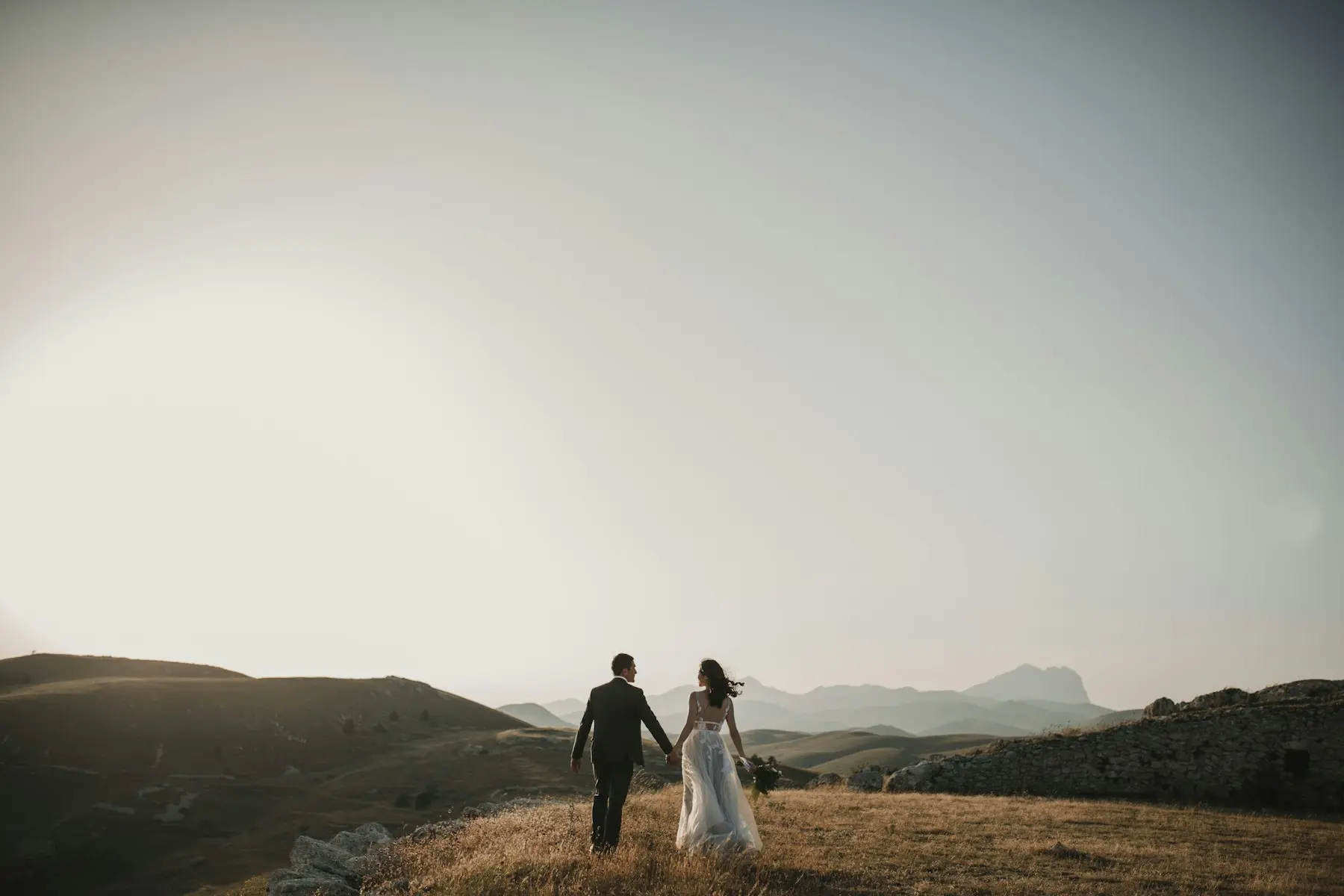
Variety is the short answer. In a single weekend you could say your vows on a red-rock rim at sunrise and toast under pine trees at an alpine lake by sunset. Utah also has big, open skies — which means long, gorgeous golden hours — and enough public land that you can find solitude even in peak season if you plan around the crowds.
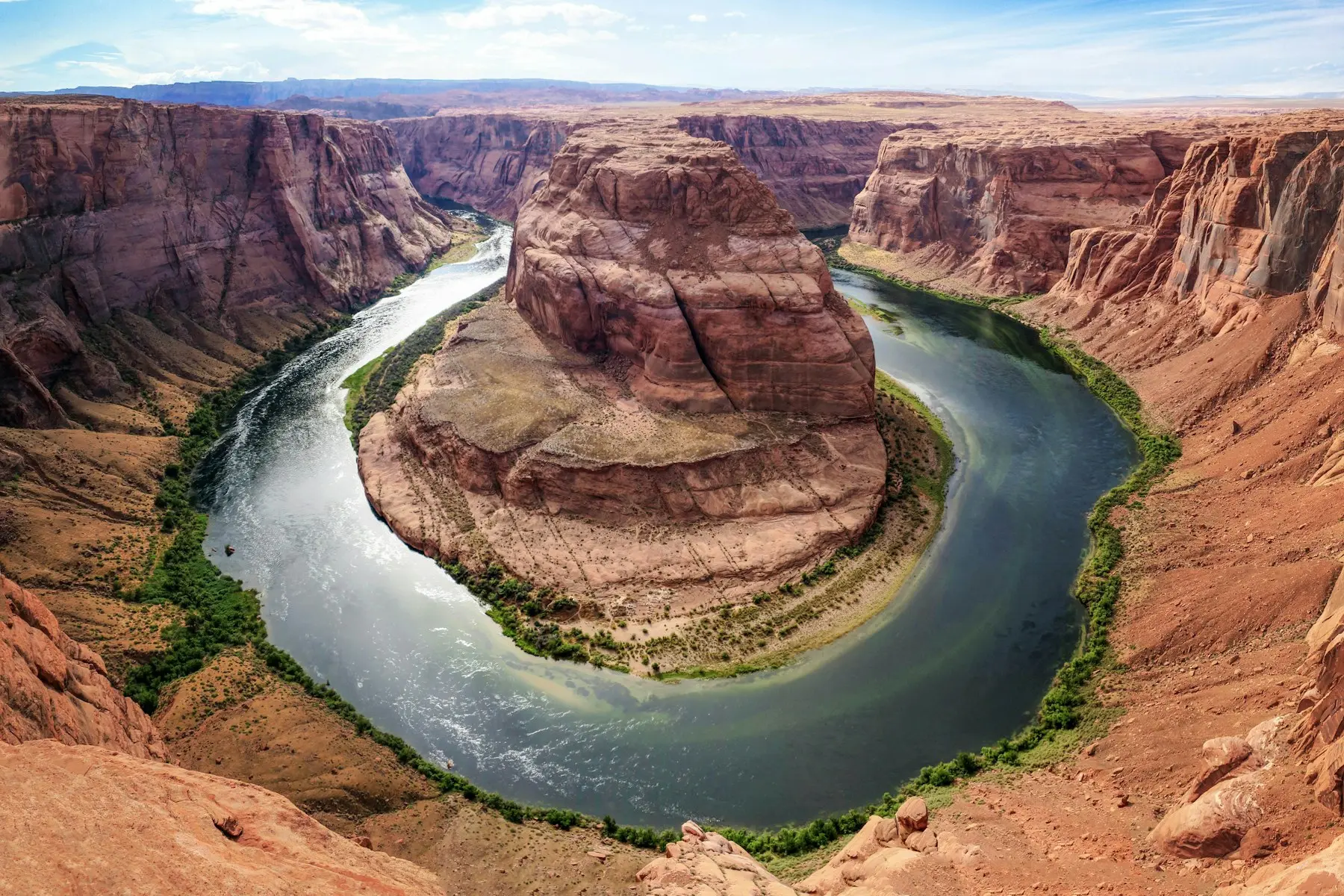
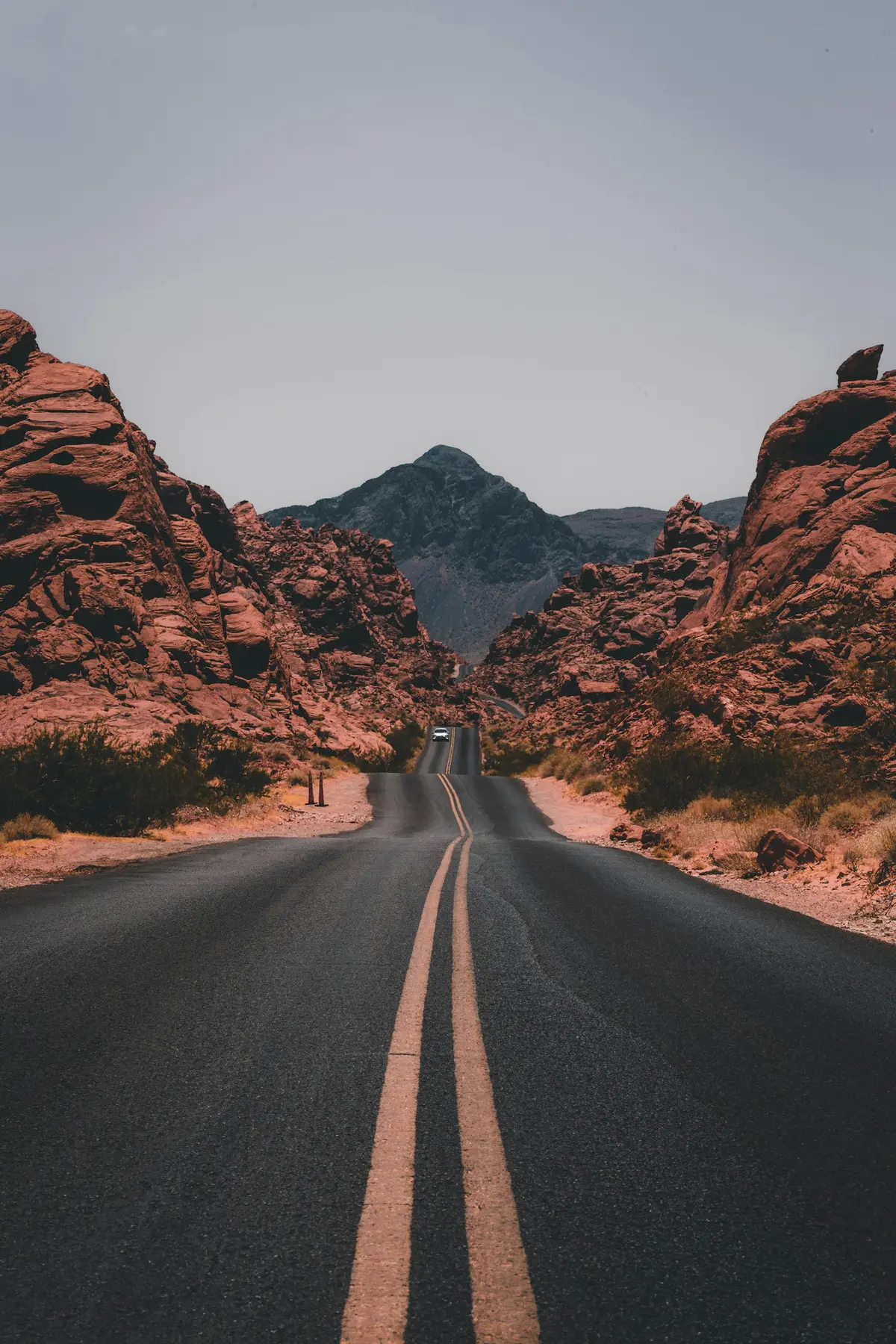
- Desert and red rock: Arches, Canyonlands, Capitol Reef, Goblin Valley, the San Rafael Swell.
- Canyons and hoodoos: Zion and Bryce Canyon.
- Mountains and lakes: the Uinta Mountains, the Alpine Loop, Sundance and Park City.
- Something totally different: the Bonneville Salt Flats and Antelope Island.
Step 1: Get your Utah marriage license
Utah marriage licenses are issued by county clerks, and a license from any Utah county works anywhere in the state. Several counties (including Utah County and Salt Lake County) let you apply online and complete the process by video call, which is a lifesaver for out-of-state couples.
- No waiting period — you can marry the same day the license is issued.
- The license is valid for 32 days, so don’t apply too early.
- You need an authorized officiant and two witnesses aged 18+.
- Both partners need valid photo ID. Fees vary by county, so check your clerk’s website.
Plenty of elopement officiants in Utah will travel to a trailhead or overlook with you. If you’re bringing zero guests, ask your officiant whether they can bring a second witness. Your photographer can usually sign as the other.
Step 2: Understand permits by land type
This is where most couples get stuck, so here is the simple version. Who manages the land decides what you need.
| Land type | Examples | What to expect |
|---|---|---|
| National parks | Arches, Zion, Bryce Canyon, Canyonlands, Capitol Reef | Special use permit required. Group-size limits and approved ceremony sites. Apply weeks to months ahead. |
| State parks | Dead Horse Point, Goblin Valley, Snow Canyon, Antelope Island | Special use or event permit from the park. Often more flexible on group size. |
| National forest | Uinta-Wasatch-Cache (Alpine Loop, Mirror Lake Highway) | Small, low-impact ceremonies are often simpler; larger gatherings may need a permit. Call the ranger district. |
| BLM land | San Rafael Swell, Factory Butte, the Salt Flats | Often the most flexible, but rules vary by field office. Always confirm. |
| Private venues | Sundance, lodges, ranches | Book directly. No public-land permit, plus bathrooms and shelter. |
Permits and rules change, so treat this as a map, not the final word. When you book an elopement with us we help you choose a location that fits your group and then confirm the current permit requirements together.
Step 3: Pick your season
Spring (March–May) is prime time for the desert parks: mild temperatures and long days, but also spring break crowds and wind. Summer (June–August) belongs to the mountains; the Uintas and Alpine Loop are green and full of wildflowers while southern Utah bakes. Fall (September–November) is our favorite — golden aspens up north in late September and perfect red-rock weather down south in October. Winter brings snow-dusted hoodoos at Bryce and almost-empty trails, as long as you dress for it.
Not sure where your season points you? Our Utah elopement location finder filters 20 spots by season, scenery and drive time.
Step 4: Plan in this order
- Pick a rough season and vibe (desert, alpine, water, snow).
- Book your photographer early — they’ll help you choose a location that photographs well at the time of day you want.
- Choose your exact location and confirm the permit and group limits.
- Apply for the permit, then book lodging nearby (Moab, Springdale and Park City fill up fast).
- Book your officiant and line up witnesses.
- Apply for your license within 32 days of the date.
- Plan your timeline around sunset using our golden hour calculator.
A sample Utah elopement day
Here is how a relaxed, four-hour sunset elopement in Moab might look in October (sunset around 6:40 pm):
- 2:30 pm — Getting ready and details at your rental.
- 3:30 pm — First look in a quiet spot near your lodging.
- 4:15 pm — Drive and short walk to the ceremony site.
- 5:00 pm — Vows, rings and signing the license.
- 5:30 pm — Champagne, picnic and adventure portraits.
- 6:00 pm — Golden hour portraits on the rim.
- 6:45 pm — Blue hour and stars, then dinner.
Build your own version with the timeline builder — set the type to “Elopement” and pick your location.
Quick answers
Do we need witnesses? Yes — two, aged 18 or older. Can we marry in a national park? Yes, with a special use permit. How far ahead should we plan? Four to eight months is comfortable for peak-season dates; less is possible for weekdays and winter.
Ready to start? Tell us your season and dream spot and we’ll send our full elopement guide.